Define the Experience You Want to Create
A product demonstration, limited-release shop and sponsor lounge serve different purposes. Decide what a visitor should do: try a product, browse a collection, join a conversation or meet the brand team. That decision guides the entrance, displays, service positions and time spent inside.
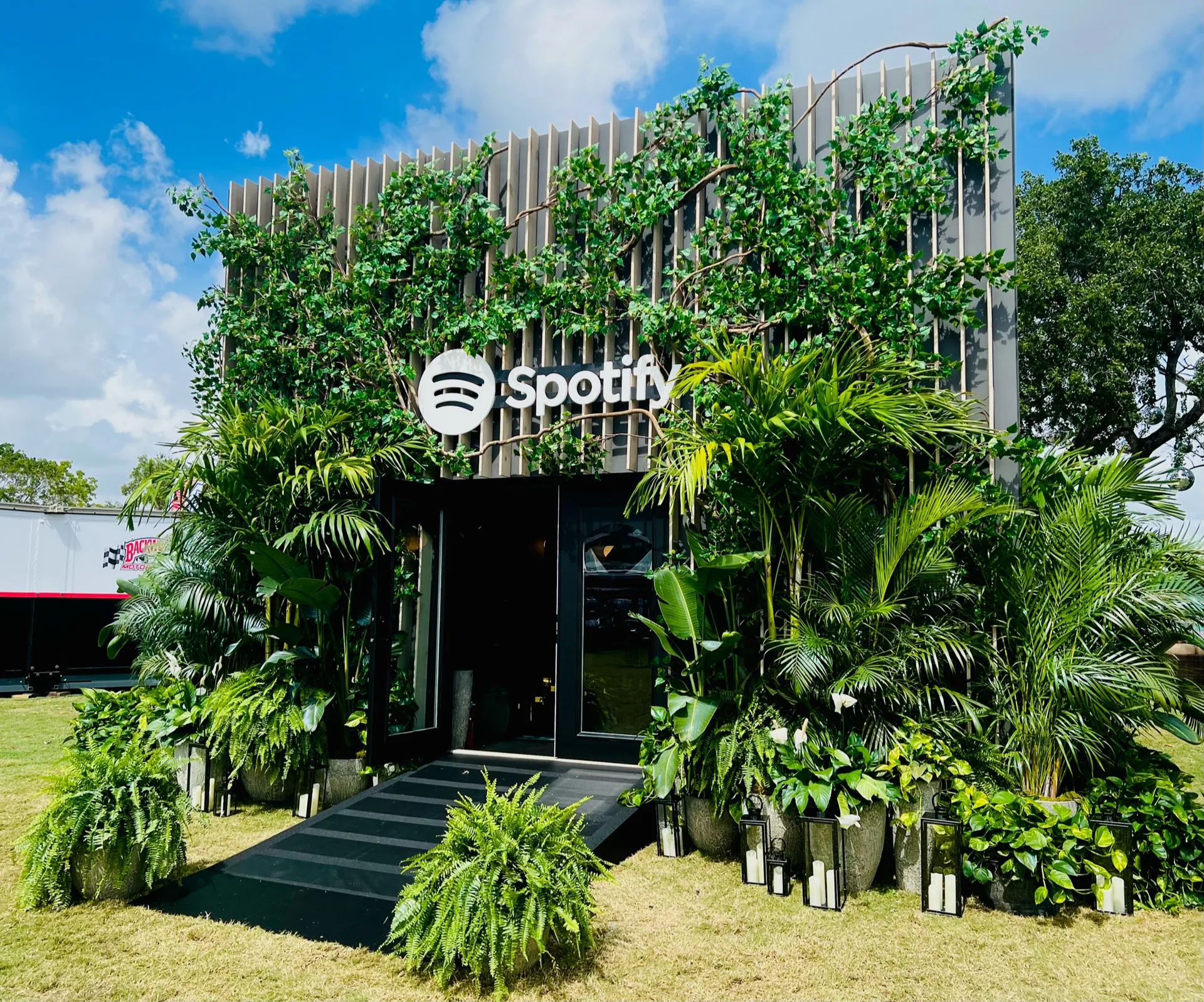
FORTS combines a brandable exterior with a hard-walled, climate-controlled interior. Graphics, furnishings and room arrangements can be developed around the campaign. Bespoke finishes and fabrication should enter the discussion early so their design, production and installation fit the event calendar.
Connect the Visitor Journey to the Layout
Sketch the route from first seeing the activation to entering, participating and leaving. Give the staff a workable route too, with stock, supplies and equipment located where they can support the experience.
| Activation type | Layout priorities |
|---|---|
| Pop-up retail | Display space, browsing circulation, checkout and stock replenishment. |
| Product demonstrations | Demonstration positions, equipment, viewing and staff support. |
| Sampling & giveaways | Service counters, queue space, preparation and product storage. |
| Brand & sponsor lounges | Reception, seating, conversation areas and hospitality arrangements. |
Plan the Campaign Behind the Space
Coordinate exterior graphics with doors, windows and service openings so the branding supports the way people use the building. Provide artwork deadlines, display dimensions and equipment loads. Confirm the source of power, payment or registration connectivity, and any product-storage or service requirements.
For a roadshow, review each stop rather than assuming every venue has the same access and utilities. Include transport, installation, restocking, graphic changes and removal in the schedule. A repeated campaign can use a consistent concept while adapting the final arrangement to each location and available inventory.
Industry Example: Canada Chill Station
Insider Travel Report and UPROXX covered Destination Canada’s Canada Chill Station in Gerlach, Nevada, on September 4–5, 2022. Located along the departure route from Burning Man, the temporary activation offered a refrigerated space, cold refreshments and a ski-lift ticket offer for attendees. The experience connected a useful stop on the journey home with Canada’s winter-travel message.
Our planning takeaway is to start with the audience’s situation. The location and timing made the experience relevant, while the physical environment expressed the destination being promoted. For your campaign, define the visitor need, the moment to meet it and the action you want people to take afterward.
Build those decisions into the facility brief: arrival and parking, queue space, guest capacity, operating hours, power, product storage and staff service routes. If temperature is part of the creative concept, specify the required conditions and equipment with the project team.
Bring the Creative and Operating Briefs Together
Share the brand concept with the people responsible for producing and running the activation. Agree which parts of the environment FORTS supplies and which are delivered by the agency, fabricator, technology partner or event team.
- Campaign objective, visitor activity and expected demand through the day.
- Locations, campaign dates, build windows and potential repeat stops.
- Brand guidelines, concept drawings, displays and equipment dimensions.
- Staff positions, stock, services, utilities and supplier responsibilities.